
Research activities:
- Study on Optimum Design of Horizontal Axis Wind Turbine Adapted to Complex Terrain, under the Renewable Energy Researchers Invitation Program, Mie University, Japan, 2016.
- Real-Time Assessment and Prediction of Shear Flow and Ice Accretion Effects on the Wind Turbine Operational Conditions by Hybrid Simulation, Department of Mechanical Engineering, University of Minnesota, USA, 2022-2025.
- Study on Active Flow Control for Low Reynolds Number Flow over a NACA0025 Airfoil, Department of Mechanical & Industrial Engineering, University of Toronto, Canada, 2022-2023.
- Capitalize on the benefits of Darrieus-type vertical-axis wind turbines (VAWTs) in remote communities, Concordia University, Canada, 2022-2025.

In INNOTURB, we aim to use a combination of Numerical, Experimental, and Theoretical Methods to further our understanding of Wind Energy Systems, Aerodynamics, and Turbulence. Within this context, the active research in the lab focuses on:
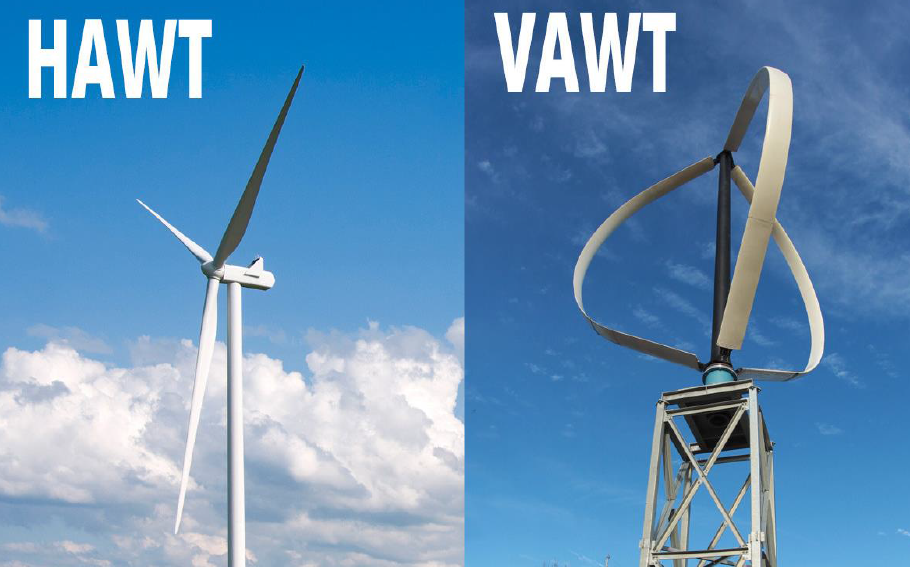
The lab’s research in wind engineering encompasses both Vertical Axis Wind Turbines (VAWT) and Horizontal Axis Wind Turbines (HAWT). For VAWTs, the focus is on novel designs, understanding dynamic stall, wake interactions, starting torque, and improving aerodynamic coefficients. For HAWTs, the work involves optimizing blade designs, enhancing aerodynamic performance, and developing flow control strategies under varying wind conditions.
Wind Assessment
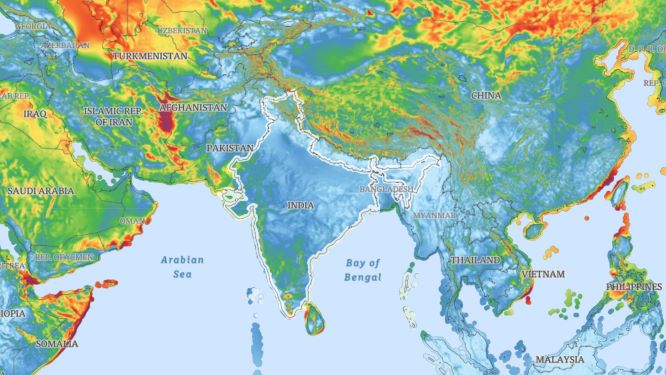
Wind energy assessment is a key component, utilizing CFD to model wind flow over complex terrains, evaluate wind resources, predict energy potential, and improve statistical governing equations to enhance accuracy and efficiency.
Icing
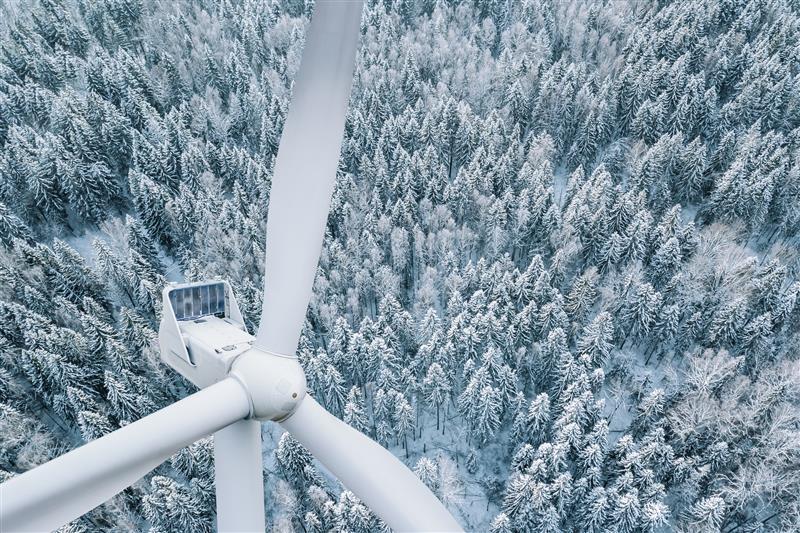
Icing is another critical research area in the fields of aerodynamics. Icing on wind turbines reduces aerodynamic efficiency by altering blade profiles, increasing drag, and decreasing lift, which significantly impacts power output. CFD simulations are used to predict ice patterns, optimize anti-icing solutions around the rotor, and prevent turbine downtime.
Hydropower
To expand the application of clean energy sources, the lab’s research in hydropower focuses on optimizing the utilization of hydraulic energy within water distribution networks. By replacing traditional pressure-reducing valves with soft pressure-regulating systems (SPRS), the excess pressure in WDNs can be harnessed to generate electricity.
The Computational Fluid Dynamics (CFD) Lab plays a vital role in advancing hydropower research by enabling detailed simulations of fluid flow. Using CFD, the lab investigates flow behavior, turbulence interactions, cavitation effects, and energy losses, providing critical insights to inform the design and optimization of hydropower turbine systems.
AI Teqniques
Artificial Intelligence approaches are used in the lab to enhance fluid dynamics research. Deep Reinforcement Learning (DRL), Convolutional Neural Networks (CNNs), and Physics-Informed Neural Networks (PINNs) are investigated to develop various areas of fluid dynamics. These artificial intelligence techniques integrate computational fluid dynamics (CFD) methods and experimental data to enhance prediction, accuracy, efficiency of problems.